Time-block mapping
A visual planning method that assigns specific time windows to categories of activity. The technique helps you see how your day is structured and identify periods where undirected attention tends to accumulate.
Our techniques library covers educational methods for managing attention, designing productive environments, and building daily routines. All content is general information for self-directed learning — not healthcare or counselling.
Modern life presents constant demands on attention. These educational techniques introduce structured approaches to choosing where your mental energy goes throughout the day.
A visual planning method that assigns specific time windows to categories of activity. The technique helps you see how your day is structured and identify periods where undirected attention tends to accumulate.
An educational framework for sorting tasks by urgency and importance. Participants learn to distinguish between what feels pressing and what genuinely aligns with their stated goals.
Practical guidance on configuring digital devices to reduce unsolicited interruptions during focused work periods. Includes step-by-step setup instructions for common platforms.
Short educational exercises for returning to a task after an interruption. These methods are drawn from general productivity research and adapted for everyday use.
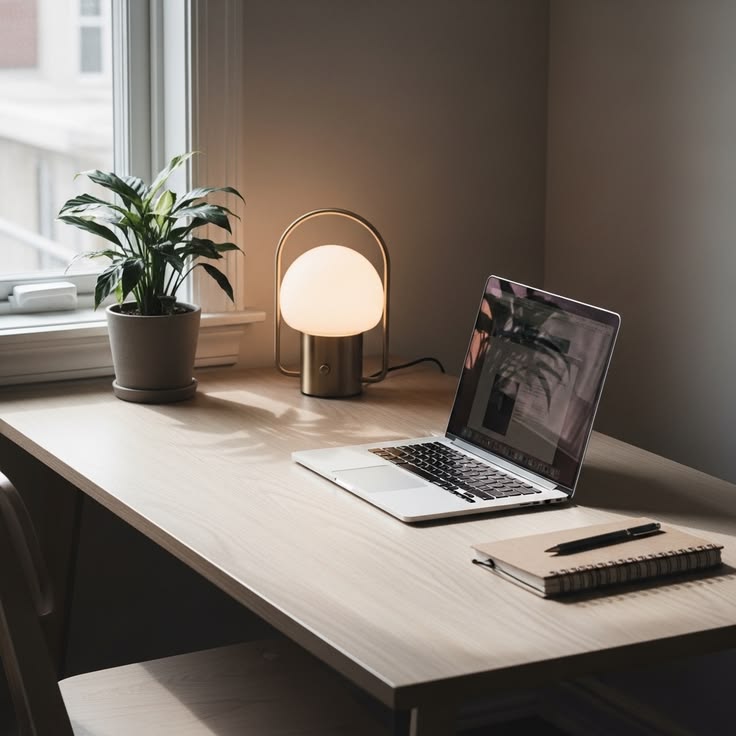
Physical and digital environments influence how easily we begin focused work. Our environment design module teaches learners to audit their surroundings and make incremental adjustments that support organised work sessions.
Topics include desk organisation principles, lighting considerations, ambient sound choices, and digital workspace hygiene. Each recommendation is presented as a suggestion to experiment with — not a rule to follow rigidly.
Document your current work environment and note elements that support or distract from focus.
Implement one small adjustment per week and observe its effect on your work sessions.
After four weeks, assess which changes were helpful and which can be reversed or modified.
Habits reduce the cognitive load of decision-making by automating recurring behaviours. These educational modules explain habit formation from a behavioural science perspective.
An introductory explanation of how habits form through repeated associations between triggers, actions, and outcomes. Participants map their existing routines using a provided template to identify patterns worth adjusting.
Design a brief morning routine that sets a calm tone for the day ahead.
Educational content on transition rituals that signal the end of active work periods.
Simple paper-based and digital options for monitoring habit consistency over time.
Habit techniques are educational tools for personal organisation. They are not designed to address behaviours that require professional support.
Brief pause routines can help mark transitions between tasks during the workday. Our module introduces simple timing patterns used as educational exercises — not as a substitute for professional guidance of any kind.
A structured inhale-hold-exhale-hold timing pattern used before beginning focused work. Includes written instructions and optional audio guidance for independent practice as a learning exercise.
A gentle timing exercise emphasising longer exhalations than inhalations. Presented as an educational activity for transitioning between tasks during the workday.
Individual techniques become more useful when combined thoughtfully. Our integration module helps you select and sequence methods based on your daily schedule and learning goals.
A fifteen-minute Sunday review where you choose which techniques to emphasise during the coming week based on your calendar and priorities.
Recommendations for which techniques complement each other — for example, environment design paired with time-block mapping for remote workers.
A structured process for modifying techniques when life circumstances change, such as travel, schedule shifts, or new responsibilities.
Our techniques draw on widely published research in productivity and behavioural science. We present concepts in accessible language for educational purposes. This content is not a substitute for professional guidance of any kind.
We recommend starting with one or two techniques and practicing them consistently for at least two weeks before adding others. Our consulting sessions can help you determine an appropriate starting point based on your current routines.
Most techniques require only a notebook and pen. Some optional modules suggest simple tools like a timer or basic desk organisers. No specialised or expensive equipment is necessary for any module in our library.
Request access to our full techniques library or schedule a consulting session to identify which methods align with your learning goals.
Get Started